Whether you are slating, tiling, laying single-ply or doing torch-on felt, the basics are the same: grip, freedom to move, protection from weather, and kit that does not flap. Branding matters too, because a roofer is seen by the whole street.
Close fit for exposed edges
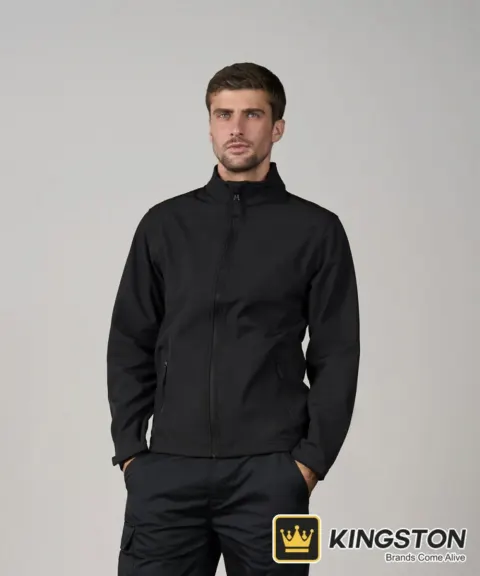
Baggy hoods, loose drawcords and open jackets can catch on scaffold tubes, ladders and battens. Roofers do better with fitted softshells, zip-up fleeces and gilets that stay close to the body in wind. Tuck drawcords in or choose garments without them.
If your team wears harnesses on some jobs, make sure jackets fit under or over the harness without bunching at the straps. Try the layering in the yard before the first cold job.
Sun on the roof
A roof reflects heat and light, and roofers are among the outdoor workers most exposed to UV. Covering up matters more than looking cool. A light long sleeve T-shirt, a cap or brimmed hat that fits with any required head protection, and plenty of water make summer work safer.
Dark fabrics absorb more heat on a flat roof. Mid tones or light colours stay cooler, though they show dirt.
Feet, knees and grip
Boots for roofing need a flexible, grippy sole so a roofer can feel the batten and keep footing on a pitch. Very rigid site boots can be clumsy up top. Choose safety footwear to EN ISO 20345 that suits your risk assessment, with slip-resistant soles.
Kneeling on battens, tiles and flat decks is constant, so trousers with kneepad pockets earn their place.
Hot works and flat roofing
Torch-on felt and other hot works add a fire risk to the usual hazards. Synthetic fabrics can melt and stick to skin if they catch. For hot works, check your hot works permit and risk assessment: some contractors specify flame resistant clothing to EN ISO 11612, and cotton-rich garments are generally preferred to pure polyester. Keep gas bottles and lit torches well away from clothing, carry the extinguisher your permit asks for, and check the roof for smouldering material before you leave.
Where to put your logo
Roofers are seen from the street, so a back print does real advertising work. Print your company name and phone number large across the back of T-shirts and hoodies so it can be read from the pavement. Embroider a small left chest logo on softshells and gilets, since embroidery survives the abrasion of climbing ladders and crawling on battens. Keep logos flat and avoid patches or raised badges that could snag on scaffold.