This page covers what a small building firm actually gets through: trousers that take kneeling on rubble, layers for a cold slab, the PPE most main contractors insist on, and where your logo earns its keep.
One crew, three kinds of day
Domestic building work splits into rough work, finish work and talking to customers. Rough work is breaking out, digging and lifting blocks, where trousers rip at the knee and tops get caked in muck. Finish work is lighter but still dusty. Customer days need you to look tidy on someone's doorstep.
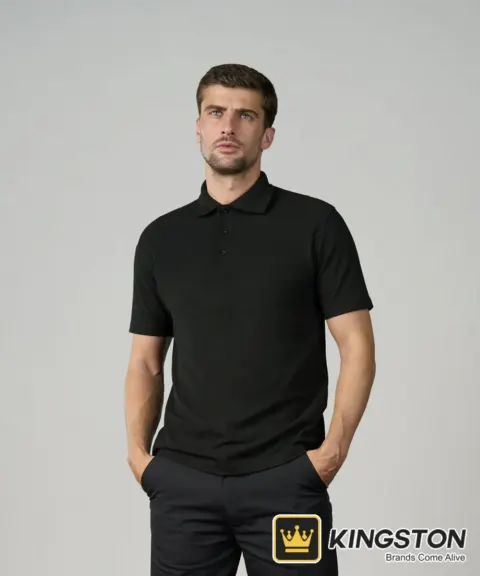
Most builders handle this with two tiers: hard-wearing polycotton tops and holster trousers for the graft, and a smarter embroidered softshell or polo kept clean in the van for site meetings and quotes.
Where builders' kit gives up first
Knees go first. Kneeling on hardcore and broken brick wears through standard cargo trousers fast, so look for reinforced knee panels with kneepad pockets. Holster pockets take the hammer, pencil and tape without the trouser being dragged down.
Cuffs and elbows on fleeces pill and fray from rubbing against block and timber. Hems get chewed by boot heels and wet ground. Buying spare trousers per person, rather than spare tops, is usually the better spend.
What the main contractor will ask for
If you work on bigger sites as a subcontractor, expect a site induction that sets the PPE rules: safety helmet, hi-vis, safety boots, gloves and eye protection as minimum is common. The level of hi-vis and the boot rating depend on the site, so check the site rules or your own risk assessment before you buy.
As the employer you have to provide PPE your workers need, under the PPE at Work Regulations 1992. Since 2022 that also covers limb (b) workers, which catches many casual labourers.
- Safety boots to EN ISO 20345, usually S3 or S1P for builders
- Hi-vis to EN ISO 20471, class set by the site
- Gloves rated to EN 388 for handling block and timber
Cold slabs and wet scaffolds
Winter on an open site is long. A thin thermal base layer, a workwear sweatshirt or fleece and a padded gilet keep the arms free for lifting while the core stays warm. Add a waterproof jacket that meets EN 343 for the days you cannot down tools.
In summer, swap to a breathable polo or T-shirt and work shorts where the site allows them. Many sites still require long trousers, so ask first.
Where to put your logo
Embroider the left chest of polos, sweatshirts and softshells with your logo; it lasts through rough washing and looks established. Add your phone number or web address printed large across the back of T-shirts and hoodies, because a builder working on a driveway is a roadside advert to every neighbour. On hi-vis, print only on the fluorescent area, never over the reflective tape, and keep the logo modest so it does not eat into the compliant area.