This guide explains those numbers and what they mean on the job.
Water resistant, showerproof or waterproof?
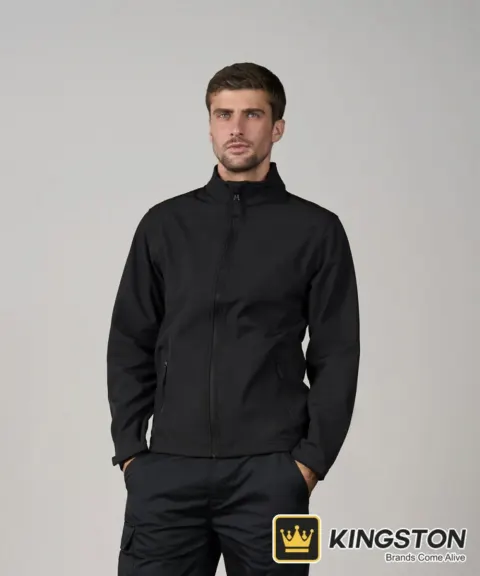
Water-resistant and showerproof garments shed light rain, but water will get through in heavy or prolonged rain, especially at seams and zips. Softshells usually fall in this group.
A waterproof garment has a membrane or coating and sealed seams, so it keeps water out under pressure. For outdoor workers in British weather, that difference matters by mid-morning.
How EN 343 works
EN 343 is the European standard for clothing that protects against rain. The current version is from 2019. A certified garment shows a rain symbol with two classes, each from 1 to 4, where 4 is the best.
The first number is water penetration: how well the fabric and seams keep water out. The second is water vapour resistance: how well sweat can escape. Some garments also show an optional R if the whole garment passed a rain tower test.
Breathability and why it matters
A fully waterproof jacket that cannot breathe soon leaves the wearer damp with sweat. Breathability under EN 343 is measured by resistance to water vapour, called Ret. The lower the Ret, the more breathable the fabric and the higher the class.
Active workers such as landscapers, scaffolders and couriers benefit most from a higher breathability class. For mostly static work, waterproofing usually matters more.
Matching ratings to the work
Use these as rough patterns, then check your site rules or risk assessment.
- Light showers between the van and the door: a showerproof softshell may do
- Regular outdoor work in rain: aim for EN 343 class 3 or 4 for water penetration
- Hard physical work in rain: look for a high breathability class too
- Roadside or rail in rain: you may need hi-vis rainwear that meets both standards
Looking after waterproofs
Wash waterproofs as the care label says, usually without fabric conditioner, which can clog the membrane. Some benefit from a reproofing treatment after many washes. Check seams and zips regularly. Once the inside stays wet in rain, the jacket has reached the end of its working life.
Where to put your logo
Branding a waterproof needs care. Stitching makes holes in the waterproof membrane, so printing is usually the better method on true waterproofs. It keeps the shell sealed. Softshells handle embroidery well because they are not fully sealed garments. Put a left chest logo on the front and a larger print on the back for outdoor visibility. On hi-vis rainwear, keep logos off the reflective tape.