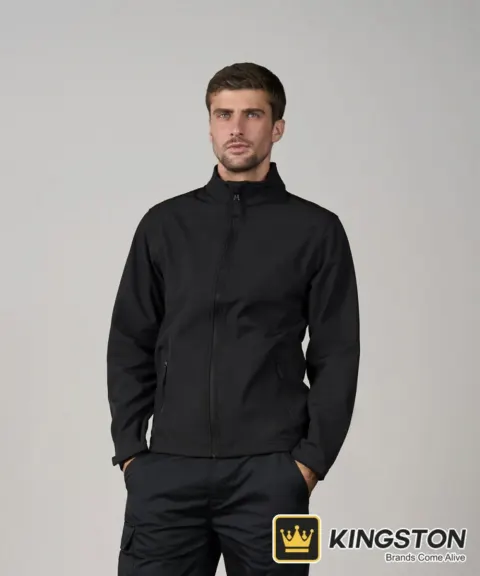
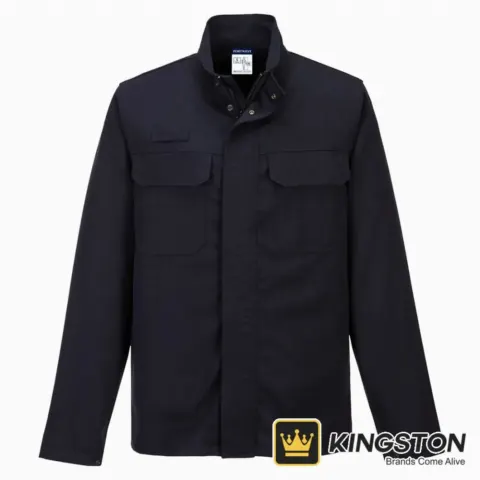
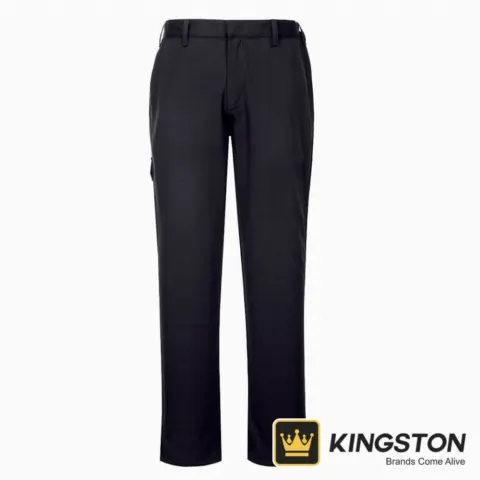
Clothing sits alongside survival suits, harnesses, lifejackets and helmets supplied for offshore work. It needs to work under all of that and keep technicians warm, dry and protected through long shifts.
Layers under a survival suit and harness
Vessel transfers and climbing need close-fitting layers that do not bunch under a harness or survival suit. A wicking base layer and a thin fleece or softshell keep technicians warm during the transfer and comfortable during the climb, when they work up a sweat.
Survival suits, lifejackets and fall arrest equipment are specialist safety gear set by your operator's procedures. Your clothing should not interfere with how they fit or work.
Electrical and flame risks in the nacelle
Work on high-voltage switchgear and converters can bring arc flash risk. Arc-rated clothing tested to IEC 61482 and flame resistant garments to EN ISO 11612 are often specified, sometimes with antistatic properties to EN 1149. Many operators require multi-norm coveralls that combine these.
The required standards come from the operator's and contractor's risk assessments, so check the specification before buying.
Port bases and onshore teams
Operations and maintenance bases have warehouse, marine coordination and office staff. They need hi-vis on the quayside, waterproof jackets for the harbour, and smart branded layers for client meetings and site inductions.
Winter in a North Sea port is harsh, so padded jackets and thermals are essential for quayside crews loading vessels before dawn. Keep their kit separate from technician FR garments, so nobody grabs the wrong jacket on a cold morning.
Where to put your logo
Branding FR and arc-rated garments needs care, as the wrong thread or print can affect certification. Any logo on these garments should use materials and methods that keep the garment compliant, so confirm the specification with the garment maker and operator before branding. On softshells, fleeces and port base polos, a left chest embroidered logo works well, with a larger back logo on hi-vis in the fluorescent area only. Many contractors also add the client's logo. Both logos appear on a proof for you and the client to approve.
Ordering for offshore wind technicians
Most offshore wind technicians start with flame resistant clothing, thermal base layers and softshell jackets. You can order from one garment and add more as you take people on. The logo price drops at 9 and again at 25 garments, and every garment with a small logo counts towards it, so mixing styles and colours still gets the better price. Before anything is made, we embroider an actual sample of your logo and email you a photo to approve, or you can pop in to our Hull workshop to see it.