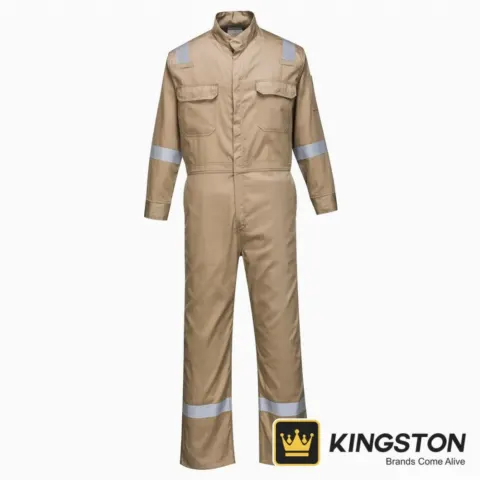
Kit gets oil, diesel, antifouling and resin on it, and has to cope with salt water and wet decks. Yacht owners and commercial clients also expect a tidy, professional look when you arrive on board.
Engine rooms, oil and tight spaces
Engine rooms are hot, oily and tight. Coveralls protect against oil and diesel, and a close fit stops them catching on hot pipework and moving belts. Kneepads help in bilges and engine bays, where engineers work on their knees for hours.
Safety boots with non-marking, slip-resistant soles are a must on decks, and many owners will not allow black-soled boots on their teak.
Antifouling, GRP and welding
Antifouling, sanding and GRP work bring dust, solvents and resin. Disposable coveralls protect clothing and skin, and should be used with proper gloves and RPE chosen against your risk assessment.
Welding and grinding on steel hulls needs flame resistant protection to EN ISO 11611 for welding, and the right gloves. Keep these specialist garments for the job and do not swap them for standard coveralls.
On the pontoon and with clients
Working on moorings and pontoons means wind and rain. Softshells, waterproofs and fleeces keep engineers comfortable. Lifejackets may be required when working near the water's edge or on boats, depending on your risk assessment.
When you step aboard a client's yacht or commercial vessel, a branded polo or softshell looks professional and shows owners who is working on their boat.
Where to put your logo
Marine customers notice detail, so a neat embroidered logo on the left chest of polos and softshells sets the right tone. Add the engineer's name for yacht clients who like to know who is aboard. Coveralls take a chest logo and a larger back logo well for yard staff. On FR and welding garments, check that branding does not affect the protective rating before adding a logo. Nautical logos with fine rope or wave detail may need simplifying. Every design is proofed for your approval before stitching starts.
Ordering for marine engineers and boatyards
Most marine engineers and boatyards start with coveralls and boiler suits, disposable coveralls and flame resistant clothing. You can order from one garment and add more as you take people on. The logo price drops at 9 and again at 25 garments, and every garment with a small logo counts towards it, so mixing styles and colours still gets the better price. Before anything is made, we embroider an actual sample of your logo and email you a photo to approve, or you can pop in to our Hull workshop to see it.