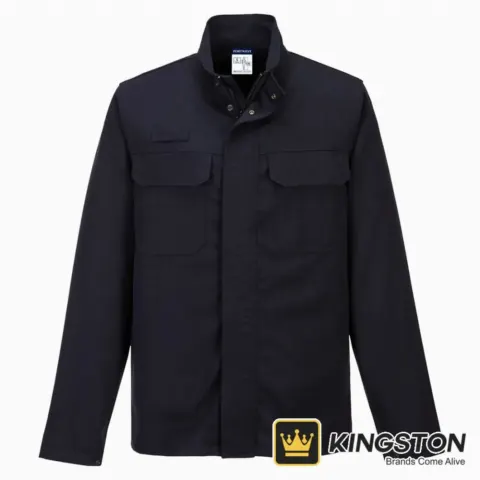
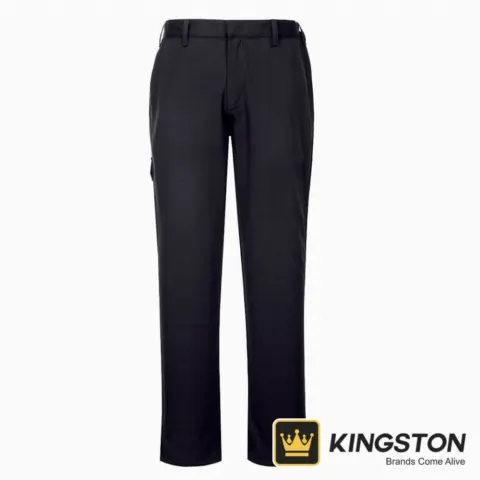
Operators, maintenance crews, contractors and control room staff each need kit that suits their area and tasks. Each group needs kit that matches the hazards of its area. No single uniform covers everyone.
Multi-norm protection
Many plants issue multi-norm garments that meet several standards at once. Common combinations include EN ISO 11612 for heat and flame, EN 1149 for antistatic properties in areas with flammable atmospheres, and sometimes IEC 61482 for electric arc where electrical work is done.
Where vehicles move, FR hi-vis to EN ISO 20471 may be required too. Your site rules, hazardous area classification and risk assessment decide which standards apply.
Chemical splash
Flame resistant workwear is not the same as chemical protective clothing. Tasks with a splash risk, such as sampling, line breaking or tanker loading, may need chemical protective suits, aprons, face shields and gloves chosen for the specific chemical. Your COSHH and task risk assessments should set these. Decontamination and safe removal of splashed garments should be planned too, so contaminated FR kit is not simply put back in the locker.
Feet, hands and static
Safety footwear on process plants is often required to be antistatic as well as toe-protected and chemical-resistant. Look for the relevant markings under EN ISO 20345 and check your site rules. Gloves vary by task, from chemical-resistant for sampling to cut-resistant for maintenance. Avoid synthetic base layers under FR clothing; they can melt in a flash fire. Cotton or FR underwear is the safer choice.
Control rooms, labs and offices
Control room operators, lab staff and office teams often have a smarter uniform but may still need FR garments if they enter the plant. Some sites require FR clothing for anyone beyond a certain point. Embroidered polos and softshells work well in non-process areas. Contractors arriving for shutdowns may need kit issued at the gate, so keep a stock of sizes.
Where to put your logo
Branding FR and antistatic garments must not compromise their protection. Standard prints, heat transfers and some threads can melt or affect certification, so we check what each garment's manufacturer allows before embroidering. Keep logos small on FR coveralls. Embroider polos, fleeces and softshells freely for control room and office staff, using the same logo so contractors and visitors can identify your team.
Ordering for chemical and process plants
Most chemical and process plants start with flame resistant clothing, coveralls and boiler suits and safety boots. You can order from one garment and add more as you take people on. The logo price drops at 9 and again at 25 garments, and every garment with a small logo counts towards it, so mixing styles and colours still gets the better price. Before anything is made, we embroider an actual sample of your logo and email you a photo to approve, or you can pop in to our Hull workshop to see it.